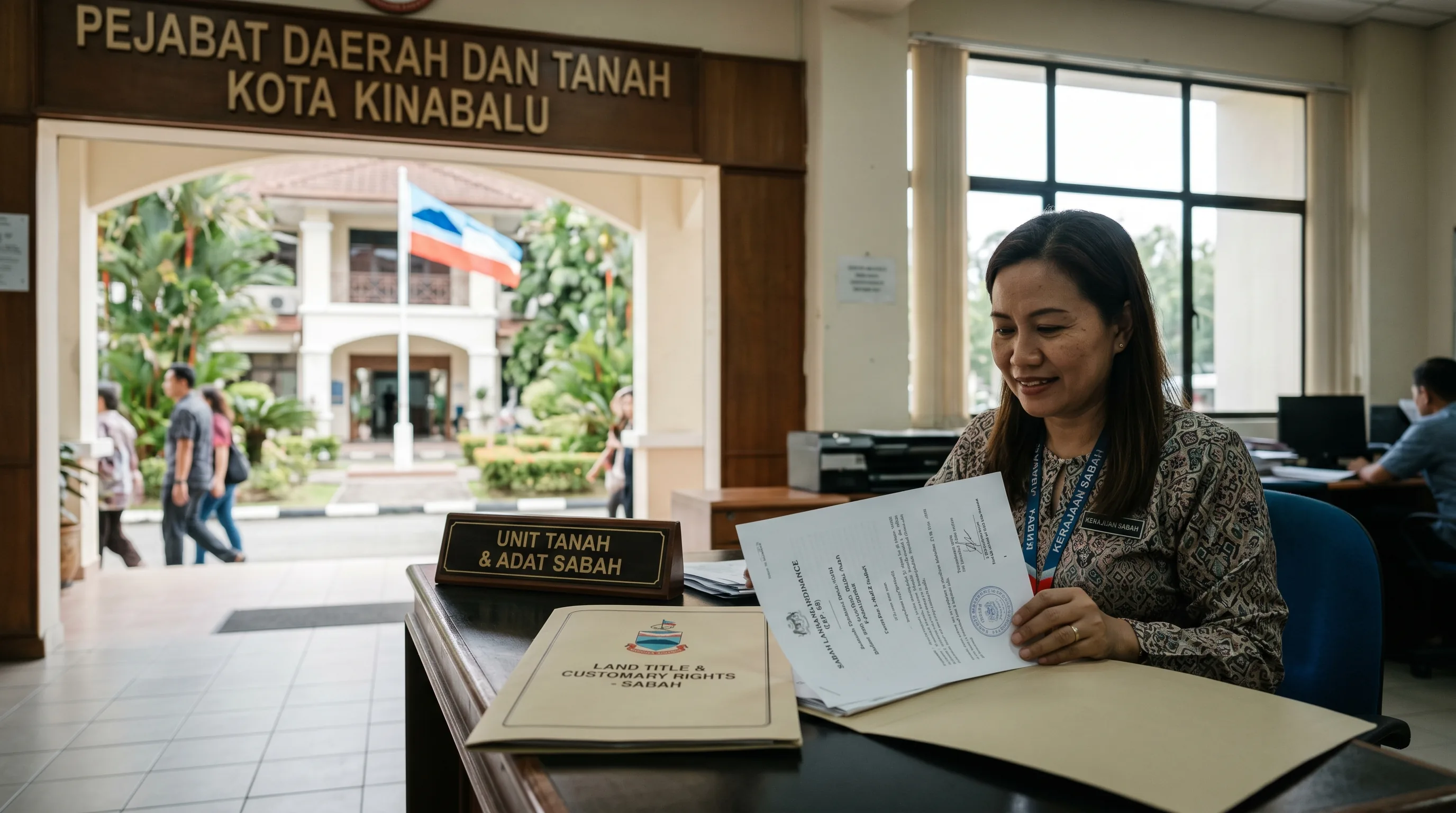
Sabah Laws Explained: Land, Immigration & Wildlife
How are Sabah's laws different from the rest of Malaysia?
Sabah keeps several state powers from its 1963 entry into Malaysia, so it has its own land ordinance and native title system, separate immigration controls that even other Malaysians must clear, native courts for customary matters, and state wildlife and resource laws.
This guide explains Sabah's laws in plain terms for general understanding only. It is not legal advice and does not cover political debates around these laws. For any specific situation — land, immigration, business or otherwise — consult a qualified Sabah-admitted lawyer or the relevant government department.
Why Sabah has its own laws
Sabah entered the Federation of Malaysia in 1963 on terms that preserved a number of state-level powers. As a result, several areas of law work differently here than in Peninsular Malaysia. Land is governed by the Sabah Land Ordinance rather than the National Land Code; Sabah runs its own immigration controls; indigenous communities can use native courts for customary matters; and resources such as forests, wildlife and water are managed under Sabah's own enactments.
For residents, businesses and visitors, these differences are practical, not just constitutional — they affect how you enter the state, how land is owned, and how the natural environment is protected. This hub summarises the most relevant areas in plain language.
Land and native title
The Sabah Land Ordinance (Cap. 68) sits entirely outside the National Land Code that applies to Peninsular Malaysia. It recognises land categories unique to Sabah, including Native Title and Native Customary Rights for Sabah natives, plus Country Lease and Town Lease for other uses. These categories shape who can own what, and underpin many of the state's land issues.
Immigration and entry
One of the most visible differences is that Sabah controls its own immigration. Travellers from Peninsular Malaysia and Sarawak must show a passport or identity card and clear an immigration check to enter Sabah, and foreign visitors receive a separate Sabah entry endorsement. The same autonomy explains why some professions require separate Sabah registration.
Wildlife and conservation
Sabah protects its remarkable biodiversity through the Wildlife Conservation Enactment 1997, enforced by the Sabah Wildlife Department. Iconic species — the Borneo pygmy elephant, orangutan, proboscis monkey, sun bear and others — are protected, with significant fines and prison terms for hunting or trafficking them.
Explore the Sabah laws guide
Sabah Land Ordinance
Native Title, Native Customary Rights, Country Lease and Town Lease explained
Read guide → ImmigrationSabah Immigration
Why Peninsular Malaysians need a passport, and how Sabah entry works
Read guide → ConservationSabah Wildlife Laws
Protected species and the penalties under the 1997 enactment
Read guide →Using this guide
Each linked guide focuses on a single area of Sabah law and sticks to factual explanation: what the law is, who it affects, and the practical things to know. Because laws change and individual circumstances vary, always confirm current requirements with the relevant Sabah department before acting.